

10mm low iron glass
Understanding the Pricing Dynamics of Micrometre Technology In recent years, the micrometre (or micron) technology sector has witnessed significant advancements, making it a focal point for various industries, including electronics, healthcare, and material science. As the applications for micrometre-scale products continue to evolve and expand, understanding the pricing dynamics of micrometre technology becomes increasingly important for businesses and consumers alike. Defining Micrometre Technology Micrometre technology deals with measurements and structures at the scale of one millionth of a meter (or one thousandth of a millimeter). This precision is crucial in sectors such as semiconductor fabrication, precision engineering, and even the burgeoning field of nanotechnology. Components and systems designed at the micrometre scale can enhance performance, reduce energy consumption, and enable new functionalities, making their pricing a matter of both competitive strategy and technological innovation. Factors Influencing Micrometre Pricing 1. Raw Material Costs The price of raw materials plays a significant role in the overall cost of micrometre products. Materials like silicon, gallium arsenide, and various polymers can experience price volatility due to market demand, geopolitical factors, and supply chain disruptions. Fluctuations in material costs can directly impact the production costs, which, in turn, influence product pricing. 2. Manufacturing Processes The complexity and sophistication of the manufacturing processes used to create micrometre components are also critical. Advanced techniques such as photolithography, etching, and deposition require highly specialized equipment and skilled labor, contributing to higher production costs. As companies invest in more innovative and efficient manufacturing technologies, these costs can be mitigated, but initial investments may lead to higher prices in the short term. micrometre price 3. R&D Investments The micrometre technology sector is highly competitive, with continuous innovation driving the need for robust research and development (R&D). Companies that invest heavily in R&D may set higher prices for their products to recoup these investments. However, successful innovations often lead to economies of scale, which can ultimately drive prices down as production ramps up. 4. Market Demand and Competition Consumer demand heavily influences pricing in any technology market. As industries increasingly incorporate micrometre technology into their products and processes, demand is likely to grow. This demand can drive prices up if supply does not keep pace. Conversely, increased competition among manufacturers can lead to price reductions as companies strive to capture market share. Future Outlook The future pricing of micrometre tech appears to be on a path influenced by several additional factors, including advancements in automated manufacturing and the integration of AI in production processes. Such progress can streamline operations and reduce costs, potentially lowering prices for end-users. Furthermore, as more players enter the micrometre technology market, increased competition could lead to further price stabilization. Environmental considerations and sustainability initiatives may also shape pricing strategies. As consumers become more environmentally conscious, companies may need to invest in sustainable practices, which could affect their cost structures and pricing strategies. Conclusion In summary, the pricing of micrometre technology is shaped by a complex interplay of factors, including raw material costs, manufacturing processes, R&D investments, and market dynamics. As the demand for micrometre-scale applications continues to rise, understanding these influences will be crucial for stakeholders across the spectrum. Businesses must remain agile, adapting to changes in the market and investing in innovations that can offer competitive pricing while ensuring quality and performance in their micrometre technology offerings. As we look ahead, ongoing developments in manufacturing processes and shifts in market demand will undoubtedly continue to influence the pricing landscape of micrometre technology.
about
10mm low iron glass
Understanding BSP and Thread Gauge A Comprehensive Overview When it comes to engineering and manufacturing, precision is paramount. Among various threading systems used in different applications, British Standard Pipe (BSP) threads are widely adopted in industries concerning fluid and gas transmission. Accordingly, the thread gauge plays a critical role in ensuring the proper fit and functioning of these threaded connections. This article delves into the significance of BSP threads, the function of thread gauges, and best practices for their usage. What is BSP Thread? British Standard Pipe (BSP) is a standardized system of pipe threading used predominantly in the UK and other Commonwealth countries. It is defined by rigorous specifications that ensure a reliable connection in various piping applications. BSP threads are mostly categorized into two types BSPT (British Standard Pipe Taper) and BSPP (British Standard Pipe Parallel). BSPT threads are tapered, meaning they become narrower towards the end. This taper allows for a tighter seal when the threads are engaged, making them ideal for high-pressure applications like gas and liquid transport. On the other hand, BSPP threads are parallel and typically require additional sealing methods, such as O-rings or gaskets, to prevent leaks. The Importance of Thread Gauges A thread gauge is a precision instrument used to measure the dimensions of screws, bolts, and other threaded fasteners. In the context of BSP threads, thread gauges help determine the quality and compatibility of threaded components. They ensure that the threads conform to the specified standards, which is essential for maintaining safety and efficiency in applications where fluid and gas transfer is involved. In general, thread gauges can be classified into two main types plug gauges and ring gauges. Plug gauges are used to check internal threads, while ring gauges are designed for external threads. Both types serve as benchmarks to verify whether the threaded parts meet specific dimensional criteria. Measuring BSP Threads When measuring BSP threads, it is crucial to consider various parameters, such as thread pitch, diameter, and profile. The pitch indicates the distance between each thread and is a determining factor for compatibility between fittings. For BSP threads, the common pitch values include 1.0 mm for BSPT and 1.5 mm for BSPP. bsp thread gauge The diameter of the threads also plays a vital role. BSP threads are specified in nominal sizes, which approximate the outside diameter of the pipe. For instance, a 1-inch BSP fitting does not measure exactly 1 inch; instead, its outer diameter is approximately 33.2 mm. Understanding these nominal sizes is crucial for ensuring correct fittings are used in arrangements. Best Practices for Using Thread Gauges To guarantee the effective functioning of BSP threads, it is essential to employ thread gauges correctly. Here are some best practices 1. Choose the Right Gauge Ensure that the thread gauge corresponds to the type of BSP thread being measured – either BSPT or BSPP. Using the correct gauge helps achieve accurate results. 2. Inspect for Wear Regularly check that the thread gauge is not worn or damaged, as this can result in inaccurate measurements. A worn gauge may give false readings, which can lead to poor fitting and potential leaks. 3. Conduct Regular Calibration Thread gauges must be calibrated periodically to ensure precision. If a gauge has not been calibrated recently, it may produce unreliable measurements. 4. Follow Manufacturer Guidelines Each thread gauge comes with a set of instructions provided by the manufacturer. Following these guidelines ensures that the gauge is used optimally and increases its lifespan. 5. Train Operators The individuals using thread gauges should be adequately trained in their use and the importance of accurate measurements. Understanding the specifications of BSP threads is crucial for safe operations. Conclusion In summary, BSP threads are a fundamental aspect of piping systems in many industries, and the proper use of thread gauges ensures their reliability and safety. By understanding the intricacies of BSP threading and following best practices for measuring with gauges, manufacturers and engineers can mitigate risks and enhance operational efficiency.
-

High quality industrial productsagement

High quality industrial products
View Details -

Meet the diverse needs of customers

Meet the diverse needs of customers
View Details -

Strict quality control

Strict quality control
View Details -

Top raw materials

Top raw materials
View Details -

Trusted supplier

Trusted supplier
View Details
Our application

news and information

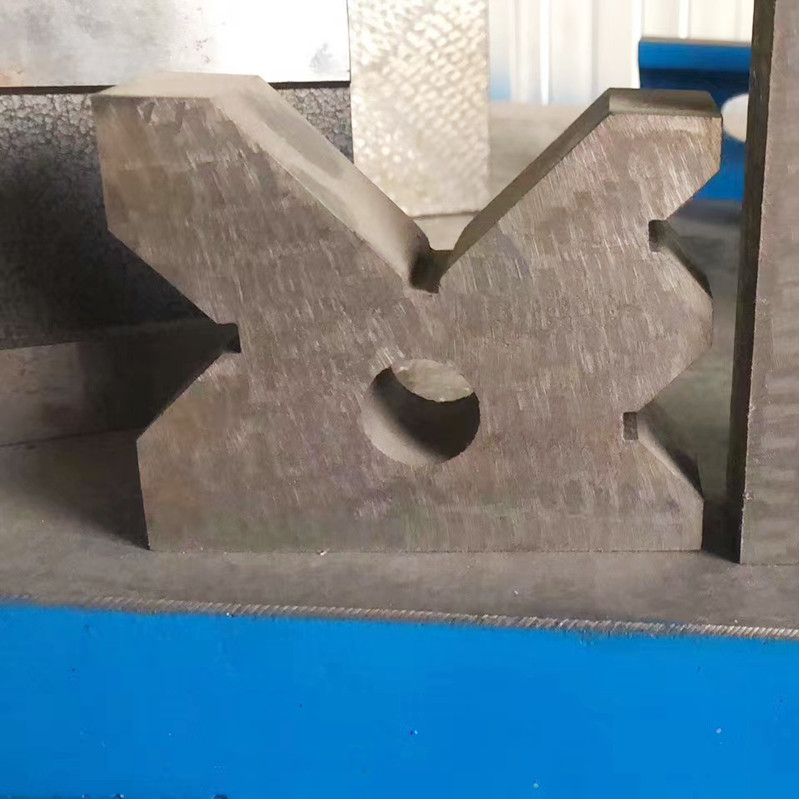
Vee Blocks Available for Purchase – High Quality Options to Choose From
Vee Blocks for Sale An Essential Tool for Precision Machining When it comes to precision machining,
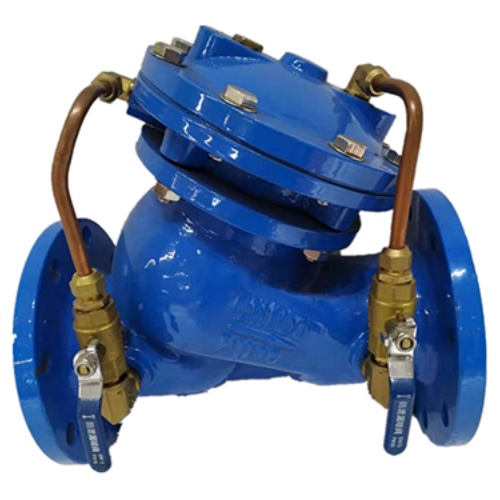
válvula de controlo
Válvulas de Controle Essencial para a Automação Industrial As válvulas de controle desempenham um pa

Water Cut-Off Valve for Efficient Flow Control and Leak Prevention in Plumbing Systems
Understanding Water Cut-Off Valves A Crucial Component in Modern Water Management Water cut-off valv
 English